
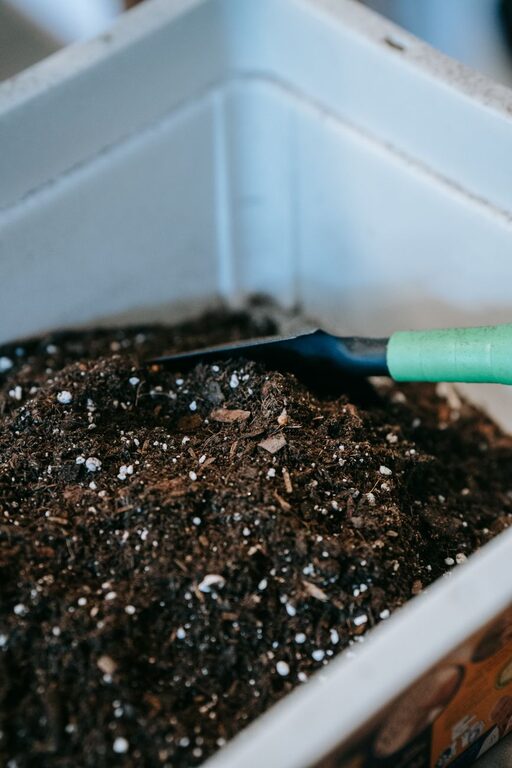
Composting is a fantastic way to reduce household waste while creating rich, natural fertiliser for your garden. If you’re new to composting, it might seem a little confusing at first, but with some simple steps and a bit of patience, you can master this eco-friendly practice in no time. This guide provides beginner tips for composting at home, helping you make the most of your garden and contribute to a greener environment.
What is Composting?
Composting is the natural process of recycling organic matter, such as food scraps and garden waste, into a valuable soil amendment called compost. This dark, crumbly substance enriches soil, helping plants grow stronger and healthier. Instead of sending waste to landfill, composting turns it into something useful, reducing your household’s carbon footprint.
Why Start Composting at Home?
– Reduces waste: Composting cuts down on the amount of rubbish you throw away.
– Improves soil health: Compost adds nutrients and improves soil structure.
– Saves money: You can reduce the need for chemical fertilisers.
– Supports the environment: Less waste in landfill means fewer greenhouse gases released.
Getting Started: What You Need
You don’t need a lot to start composting at home. Here are the essentials:
– Compost bin or heap: Choose a compost bin, tumbler, or simply a pile in your garden.
– Kitchen scraps: Fruit and vegetable peelings, coffee grounds, eggshells.
– Garden waste: Grass clippings, leaves, small twigs.
– Water: To keep the compost moist.
– A garden fork or shovel: For turning the compost regularly.
Choosing the Right Compost Bin
There are several types of compost bins:
– Open heaps: Simple piles in the garden, best if you have plenty of space.
– Enclosed bins: Keep the compost tidy and retain heat; great for smaller gardens.
– Tumbling bins: These can be rotated to mix the contents easily.
Pick one based on your available space and preference.
Step-by-Step Guide to Composting
1. Find a Suitable Spot
Choose a dry, shaded area of your garden with good drainage. Avoid placing the compost in direct sunlight or on concrete.
2. Add the Right Ingredients
Balance is key in composting. Your compost needs a mix of:
– Green materials: These are rich in nitrogen (e.g., fruit and vegetable scraps, grass clippings).
– Brown materials: These provide carbon (e.g., dry leaves, shredded newspaper, straw).
A good rule of thumb is to add roughly two to three parts brown materials to one part green materials.
3. Maintain Moisture
The compost pile should be as damp as a wrung-out sponge. If it’s too dry, add water; if it’s too wet, add more brown materials.
4. Turn Your Compost Regularly
Mix or turn your pile every 1–2 weeks to introduce oxygen, which speeds up decomposition and prevents odours.
5. Be Patient
Composting takes time, usually between two months to a year, depending on the conditions and materials used.
What to Compost and What to Avoid
Suitable Compost Materials
– Fruit and vegetable scraps
– Coffee grounds and tea bags
– Eggshells (crushed)
– Grass clippings and leaves
– Garden prunings (small amounts)
– Shredded paper and cardboard
Avoid Composting
– Meat, fish, and dairy products (attract pests)
– Cooked or oily foods
– Diseased plants
– Pet faeces
– Weeds that have gone to seed
Troubleshooting Common Composting Problems
Problem: Smelly Compost
– Cause: Too much green material or the pile is too wet.
– Solution: Add brown materials and turn the pile to aerate it.
Problem: Slow Decomposition
– Cause: Lack of nitrogen, moisture, or oxygen.
– Solution: Add fresh green materials, water if dry, and turn more often.
Problem: Pests Visiting the Compost
– Cause: Food scraps like meat or dairy, or exposed food.
– Solution: Avoid adding these items and cover food scraps with brown materials.
Using Your Finished Compost
Once your compost is dark, crumbly, and smells earthy, it’s ready to use. You can:
– Mix it into garden soil to improve texture and fertility.
– Use it as mulch around plants.
– Add it to potted plants for extra nutrients.
Final Tips for Successful Composting
– Chop or shred larger items to speed up decomposition.
– Avoid adding large amounts of one material – balance is crucial.
– Keep a small kitchen caddy to collect compostable scraps easily.
– If space is limited, consider vermicomposting (using worms).
Conclusion
Starting composting at home is a rewarding way to reduce waste and nourish your garden. With these beginner tips, you will be well-equipped to create your own compost, helping your plants thrive and contributing to a healthier planet. Remember to be patient, maintain balance, and enjoy the process!
Happy composting!